

Why the Professional Softball League Was Built and Why the Timing Matters
Why the Professional Softball League?
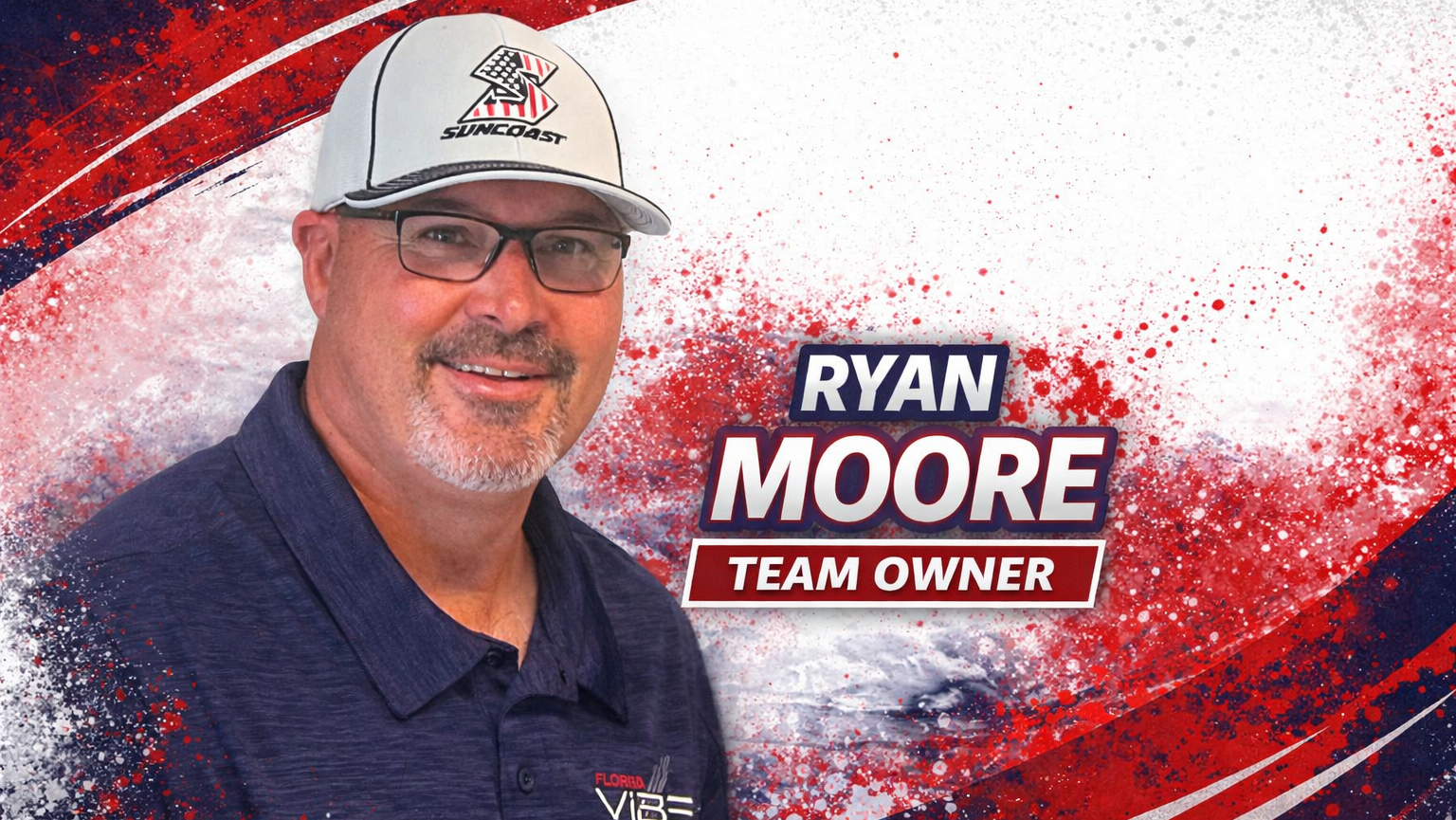
After last week’s announcement of the Professional Softball League’s 2026 launch, you may have questions about what this is all about and why now. Earlier today, I spoke with Ryan Moore, owner of the Florida Vibe and a major part of the PSL’s formation. The Florida Vibe has been in existence since 2021 and has become a mainstay in the professional softball landscape.
Alongside well known teams like the Atlanta Smoke and New York Rise, as well as newer organizations such as the Florida Heat, Florida Breeze, and Kansas City Diamonds, Moore explained why the timing was right to form a league and move away from the independent model.
“At the end of the day, people want something to play for. The independent route was great, but it felt seasonal, like we were waiting to see how it would burst onto the scene beyond just independent franchises,” Moore said.
The need for more professional opportunities for post college players continues to be one of the biggest gaps in the sport. Every year, players graduate and are forced to hang up the cleats. While playing abroad is an option and one many athletes pursue, there should be more opportunities here. Athletes Unlimited now fields six teams, but that still only scratches the surface. Simply put, there is much need for more opportunities.
“I’m happy there’s an outlet for postgrad players to play. But we started the PSL because of the demand for opportunities. Every year, more players want to play post-college. AU represents about 90 professional athletes. When you compare that to men’s baseball, you have over 6,000 players across MLB and the minors in a given year. That highlights a massive disparity,” Moore explained.
“There are so many elite softball athletes who simply do not have a professional outlet, despite the sport’s popularity, participation levels, and international success. The PSL was formed to expand roster opportunities, support more markets, and help teams organize in a way that supports players not just as athletes, but as professionals,” he added.
The PSL has built a business model aimed at creating more opportunity for the league, teams, and players alike. Collaboration is central to that vision, something Florida Heat owner and head coach Ricky Bumgardner Jr. also emphasized last week. Moore echoed that same alignment.
“We have a business model. We have strategic partners that we’ll be announcing soon. Companies are not only embracing the league but also the teams and players individually,” Moore said. “That leads to more economic opportunities for athletes, and that’s a huge reason why we did this. Being aligned as a league allows us to bring more business collaboration to the players and accelerate growth.”
For those viewing the pro softball space through a competitive lens, Moore was clear that the PSL was not created to rival or go head to head with AUSL. This is not about comparison or competition between leagues. It is about creating more opportunities for women who want to continue their playing careers and doing the work to make that possible.
As fans, there is room to support multiple leagues, teams, and players. Professional softball in the United States has long needed more structure and legitimacy, and that momentum is beginning to build in real time.
“We’re trying to meet the demand of players, fans, sponsors, and communities that currently have no access. Multiple professional leagues are not unusual in a growing sport ecosystem. Competition drives investment, higher standards, better player compensation, and faster expansion,” Moore said.
“We don’t want to replace AU. We don’t want to replace anything. We want to grow the total number of professional opportunities and help softball reach its full potential as a major professional sport. That’s our message.”
When asked whether he had concerns about the PSL and AUSL schedules running parallel during the summer, Moore said it was not an issue. One major reason is the PSL’s broadcast partnership with the All Women’s Sports Network.
“I don’t think it’s a concern. A lot of players coach in college, so the calendar naturally falls in the summer. I wish we were paying them hundreds of thousands of dollars so they didn’t have to coach, and that’s the end goal,” he said.
“We recently announced AWSN, the All Women’s Sports Network. We now have worldwide TV and streaming on multiple platforms. That’s a game changer. AWSN reaches over 2.2 billion households worldwide and over 232 million in the U.S.”
That visibility is another reason the league model made sense. Networks and partners are far more likely to invest when they see a unified structure.
“We’re not worried about not being seen. TV changes everything. That’s another reason a league structure makes sense. Being unified helps with television as we expand. We’re not concerned about parallel schedules. There are enough great athletes out there to support multiple leagues. Certain leagues can only carry so many players. This gives more athletes a place to compete.”
Additional details on league structure, team breakdowns, and the PSL’s broadcast deal with the AWSN were covered in an earlier report and can be found below.
As the Professional Softball League continues to roll out details ahead of its 2026 debut, the focus remains clear, creating more opportunities, expanding access, and building a sustainable professional ecosystem for elite athletes. With ownership groups aligned, a growing broadcast footprint, and an emphasis on collaboration, the PSL represents another meaningful step forward for professional softball in the United States.