
The Double Standard in Women’s Basketball Officiating
Ejection Shows Double Standard in Women’s Basketball Officiating
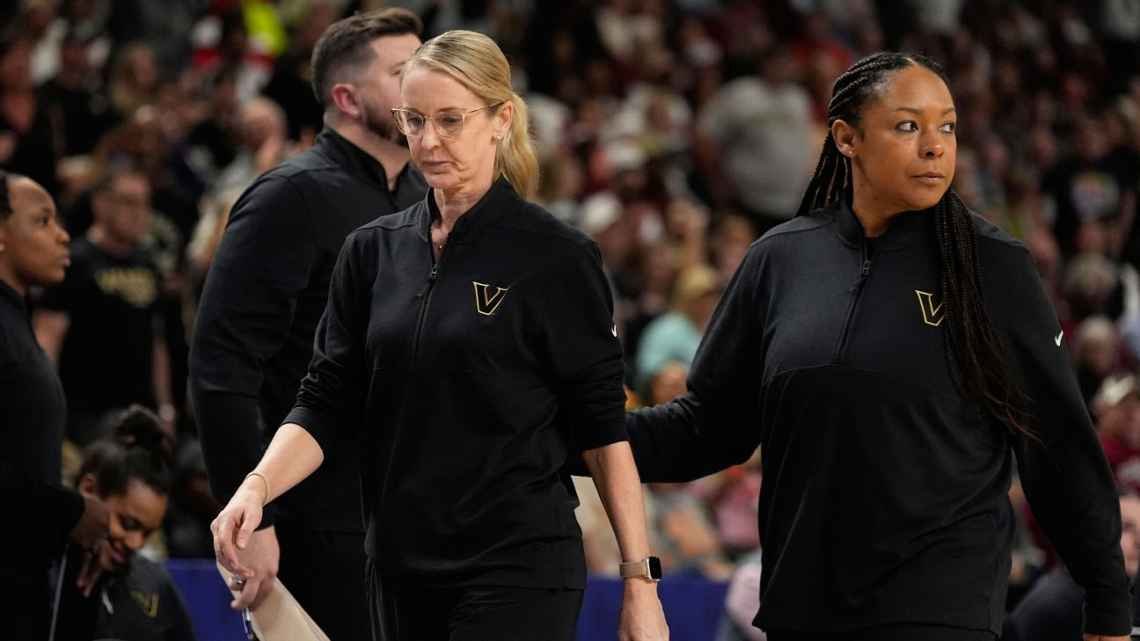
With 9:25 left to go in the SEC Tournament Quarterfinals against Ole Miss, down 65-43, Vanderbilt’s Mikayla Blakes picked up her fourth foul on a call that at least could have been a no call in either direction. Coach Shea Ralph saw enough, stepped up, and called out official Roy Gulbeyan for the call. Her reward? She got tossed and sent to the locker room.
After it all, my mind marked this as another example of the double standard in women’s college basketball officiating.
Double standards in sports have always bothered me. Everyone talks about equality, but you see examples every single day that go against that word. On a nightly basis, coaches yell, stomp, and talk reckless to referees because they don’t like what is or isn’t being called, and nothing happens. But last night in Greenville was apparently where the line needed to be drawn.


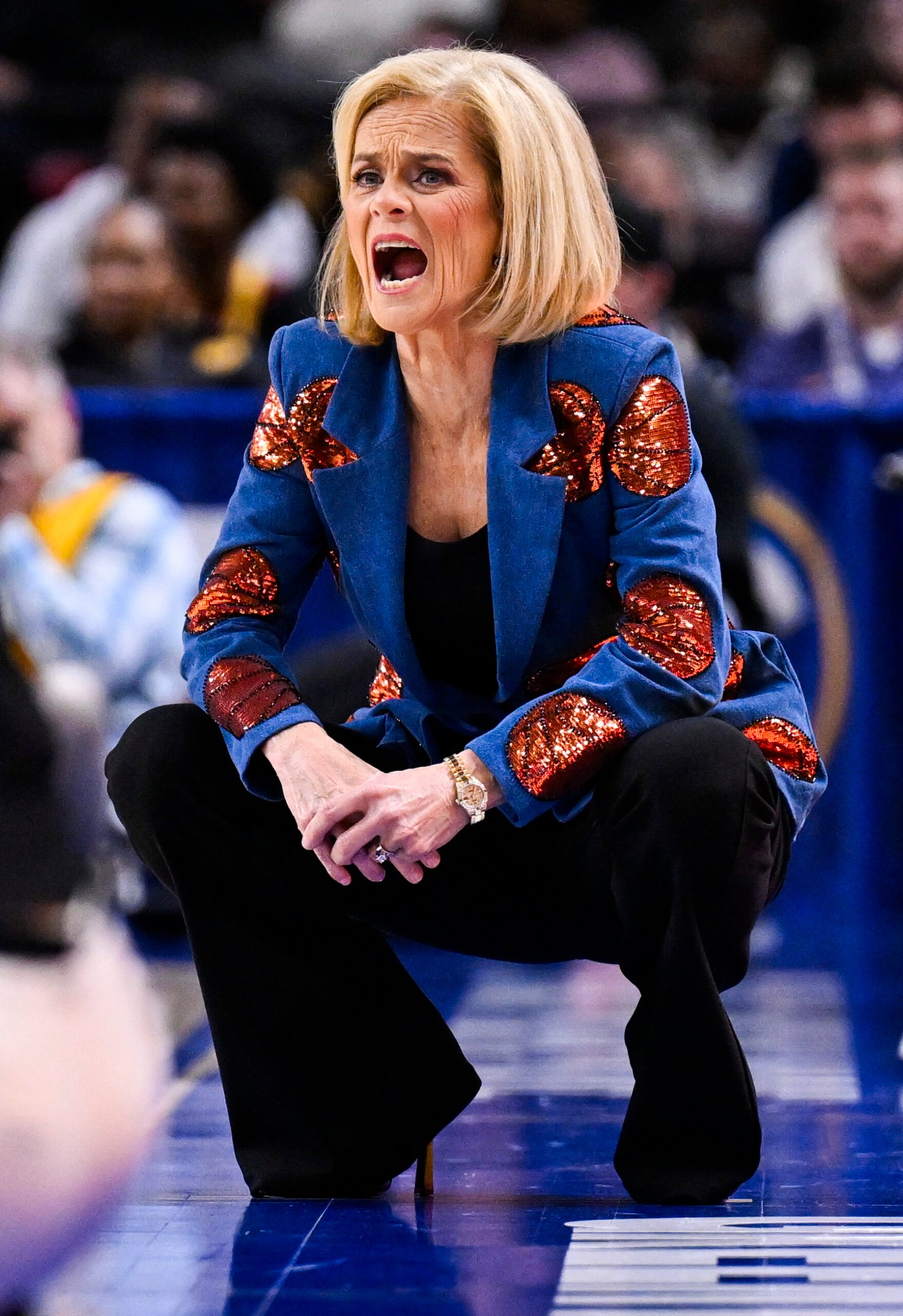
Photo by Addi Ray/SEC
We have all watched coaches in college basketball challenge officials on a regular basis and walk away clean. Kim Mulkey doesn’t hesitate to show her emotions at referees when she doesn’t agree with a call, and I say that with zero disrespect. I have no issue with Mulkey. That’s who she is, and she’s earned the right to coach her way.
But that’s exactly the point. She does it often and according to research, she was last ejected in December of 2023. Other coaches around this game do it regularly and nothing happens. So who decides when it’s suddenly a problem? Who decides which coaches get the leeway and which ones get ejected?
Maybe the officials are scared of certain coaches. Maybe there’s a level of reputation that buys you a longer leash. Who knows? But what I do know is that I’ve watched Shea Ralph closely, and she has not come off as a coach that lives to fuss and cuss at referees on a nightly basis.
Ralph picks her spots, and doesn’t make a habit of going after officials every time a call doesn’t go her way. So when she does speak up, it should tell you something about how bad the call was.
After the game, Ralph didn’t back down from her actions, and I am glad that she didn’t.
“I wasn’t trying to get kicked out. I know where I was on the court. I also think that, at that time, what I said was warranted. And the action that I took was warranted,” Ralph said. “I’ll stand behind that, and you want to kick me out for it, then they can kick me out. What I do love is the fight that my team showed. There’s only so many ways you can say something over and over again. So, I said it differently, and I got kicked out, which is fine. First time in my career.”
First time in her career! That alone tells you everything you need to know about the kind of coach Shea Ralph is. This isn’t someone who goes looking for confrontation with officials. This is a coach who had been saying the same thing through the proper channels and finally reached a breaking point, and she still stood on it.
When asked why her actions were warranted by ESPN’s Andrea Adelson, Ralph avoided the bait that would have resulted in a fine for “publicly criticizing officials” and kept it simple.
“I just felt that it was (warranted). I think, as coaches, we just want consistency from our team, from our staff, from everybody that’s involved in the game of basketball, just consistency, that’s it. So all I’m looking for. And respect.”
Consistency and respect. That’s it. That’s the whole argument, and it’s not a big ask. But apparently, it’s too much for some officials to give. The quality of officiating across this sport is a constant joke, and needs addressing.
Now, did Ralph know there could be consequences for challenging the official? I’m sure she did. She’s a smart woman and a sharp coach. But that still doesn’t mean she should have to sit back, play nice, and keep quiet when there’s a clear issue that needs addressing.
There’s a difference between losing your composure just because of a short fuse and standing up for your players. In my opinion Ralph did the latter, and she got punished for it.
Could Vanderbilt have played better than they did? Yes, they most certainly could have. But that has nothing to do with the issue here. The score doesn’t determine whether a coach has the right to challenge a bad call. If anything, being down 22 and watching your star player get hit with a questionable foul makes the situation more frustrating, not less.
Some referees feel untouchable when it comes to criticism and challenge, and they make the games about themselves in the process. Nobody comes to see a ref call a game. Nobody buys a ticket to watch an official flex their authority. The rule that coaches can’t voice their true opinions on calls is ancient and should be done away with. Referees are part of the game, but they are not above it.
The question I keep coming back to is a simple one. Who are these officials that they can’t be held accountable? Who are they that a coach standing up for her player is treated as a worse offense than the bad call that started it all?
Until this sport starts holding its officials to the same standard it holds its coaches, these issues will continue. And until we start having real conversations about why certain coaches can go at referees without consequence while others get thrown out for doing the same thing, double standards will continue.
Shea Ralph didn’t do anything horribly wrong. I feel that as a coach, she did what was necessary at the time. Sometimes things aren’t pretty, and you have to call them out or things will continue to go overlooked.
Some coaches just can’t get away with doing that, and that is a problem.